
Understanding Indoor Air Pollution
Indoor air pollution is more common than many realize, affecting the quality of the air we breathe every day inside our homes. Common pollutants include dust, pollen, pet dander, mold spores, smoke, volatile organic compounds (VOCs), and even bacteria or viruses. These tiny particles and gases can cause serious health problems, such as allergies, asthma triggers, respiratory issues, chronic fatigue, and in some cases, long-term risks like cardiovascular diseases.
Modern homes, designed for energy efficiency, often have tightly sealed windows and doors. While this helps reduce energy bills, it also traps indoor pollutants, preventing fresh air from circulating. Without proper ventilation, these contaminants build up, increasing the risk of poor indoor air quality and making air purifiers a valuable tool for many households aiming to breathe cleaner air.
How Air Purifiers Work
Air purifiers use different technologies to clean the air inside your home. The most common is the HEPA filter, which captures 99.97% of particles as small as 0.3 microns — that means dust, pollen, pet dander, and even some bacteria get trapped. For odors and chemical vapors (VOCs), many purifiers include activated carbon filters that absorb smells from pets, cooking, or smoke. Some models use UV light to kill germs and viruses, while ionizers release charged particles to pull pollutants out of the air, though ionizers can create ozone, which isn’t ideal, so weigh the pros and cons carefully.
When picking an air purifier, you’ll come across terms like CADR (Clean Air Delivery Rate), which shows how fast the unit cleans air in cubic feet per minute. The higher the CADR, the better it is at clearing pollutants. Another useful metric is ACH (Air Changes per Hour), meaning how many times the purifier can refresh the air in a room in one hour. Knowing your room size and matching it with the right CADR and ACH ratings ensures you get effective air cleaning.
Air purifiers come in two main types: portable units and whole-home systems. Portable purifiers are great if you want to clean air in specific rooms like bedrooms or living areas. Whole-home systems typically integrate with your HVAC setup and offer consistent air quality throughout the entire house, but they tend to cost more upfront.
Understanding these basics helps you choose the right purifier that suits your lifestyle and improves indoor air quality effectively.
Do Air Purifiers Actually Work? The Evidence
Air purifier effectiveness is backed by solid science. Studies show that HEPA air purifiers can reduce fine particles like PM2.5 by 50-90% in everyday home settings. This matters because those tiny particles, from dust, pollen, and pet dander, trigger allergies and asthma symptoms. The EPA and other health reviews confirm that using HEPA filters helps improve respiratory and even cardiovascular health for many people.
In real life, air purifiers work best against airborne particles such as dust, pollen, and pet dander. They’re moderately effective at reducing gases and odors, like smoke or VOCs, but less so for settled dust or very large spaces unless the unit is properly sized with the right CADR rating. Some models, especially those with activated carbon filters, help with odors better than regular HEPA-only purifiers.
User experiences back this up too. Many people report fewer allergy attacks, better sleep, fresher air, and less dust buildup thanks to air purifiers. Reviews from forums often highlight relief from asthma symptoms and a noticeable improvement in overall indoor air quality. So yes, air purifiers really do make a difference when you pick the right model and maintain it well.
Key Benefits of Using an Air Purifier
Air purifiers can make a real difference in your indoor air quality, especially if you or your family deal with allergies or asthma. Here’s how they help:
| Benefit | Details | Keywords |
|---|---|---|
| Allergy and Asthma Relief | Cut down airborne triggers like dust, pollen, pet dander. Helps improve sleep and reduce symptoms. | Air purifiers for asthma relief, remove dust and pollen, pet dander air purifier |
| Odor and Smoke Removal | Effective at clearing cooking smells, pet odors, and wildfire smoke. Activated carbon filters excel here. | Remove VOCs and odors, wildfire smoke removal |
| Healthier Home Environment | Cleaner air reduces respiratory issues, great for kids, elderly, and those sensitive to pollutants. | Indoor air quality improvement |
| Works With Other Methods | Best results when combined with regular cleaning and good ventilation. Air purifiers complement these well. | Air purifier effectiveness, ventilation |
In short, an air purifier isn’t a cure-all but can significantly reduce allergens and odors, promoting better breathing and overall comfort inside your home.
Limitations and When Air Purifiers Might Not Make a Big Difference
Air purifiers are great, but they’re not magic. Here’s where they fall short:
- Not 100% effective: They can’t remove every pollutant, especially gases or chemicals fully. Source control—like fixing leaks or avoiding smoking indoors—is still key.
- Limited reach: If your purifier is too small for the room, it won’t clean the air well.
- Settled dust: Air purifiers mostly trap airborne particles. Dust on surfaces stays until cleaned.
Potential Downsides to Consider
| Drawback | Details |
|---|---|
| Noise | Some models can be loud, especially on high settings. |
| Energy use | Running 24/7 adds to your electricity bill. |
| Filter costs | HEPA and activated carbon filters need regular replacement. |
| Ozone concerns | Ionizers or ozone generators can produce harmful ozone. |
Myths about Air Purifiers
- No cure-all: They’re not a fix for all indoor air problems.
- Maintenance matters: Poorly maintained filters or undersized units won’t perform well.
- Don’t replace ventilation: Fresh air circulation is equally important.
In short, air purifiers help clean the air but don’t solve every problem. Using them alongside proper home cleaning, ventilation, and pollution source control delivers the best results.
Choosing the Right Air Purifier
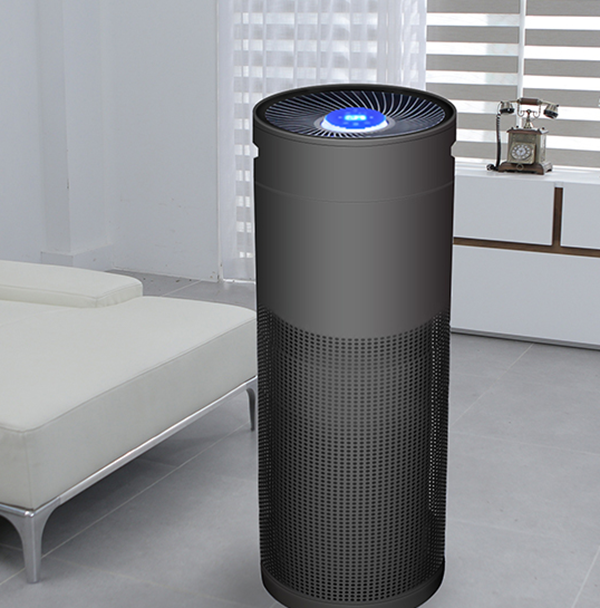
Picking the right air purifier comes down to a few key factors. First, room size matters a lot—you want a purifier with a CADR rating that matches or exceeds your room’s square footage for effective air cleaning. Always look for models with a True HEPA filter since they capture 99.97% of tiny particles, which is crucial for improving indoor air quality. Noise level is important too, especially if you plan to use it in bedrooms or offices. Also, consider energy efficiency to keep running costs low.
For 2026, top air purifiers come with smart features like air quality sensors and smart controls that adjust settings automatically based on the air you’re breathing. Low maintenance models that make air purifier maintenance easy, like indicator lights for filter replacement, are becoming more common.
If you’re dealing with allergies or asthma, choose purifiers specifically designed for those needs. Models that handle pet dander effectively are a must for pet owners. Bigger spaces call for purifiers with higher CADR ratings or even whole house air purification systems.
When it comes to trusted brands, airdow models stand out for their superior filtration, durability, and smart features. They consistently deliver solid air purifier effectiveness and reliability, making them a good choice for anyone looking to improve home air quality.
Quick tips:
- Match CADR rating to room size
- Choose True HEPA filters for best particle removal
- Look for quiet and energy-efficient models
- Consider smart features for hands-off operation
- Pick models that fit your specific needs like allergies or pets
- Check out reliable brands like airdow for quality and longevity
Tips for Maximizing Air Purifier Effectiveness
To get the most out of your air purifier, a few simple habits go a long way. Here’s how to maximize air purifier effectiveness for cleaner indoor air:
- Proper placement: Put your air purifier in the rooms you use most, like the bedroom or living area. Avoid corners or spots blocked by furniture where airflow is limited.
- Run it continuously: For steady indoor air quality improvement, keep your air purifier running whenever you’re home, especially during allergy season or wildfire smoke events.
- Regular filter maintenance: Change or clean filters as recommended—this keeps HEPA air purifiers working at peak performance and avoids reduced efficiency.
- Combine with other steps: Using an air purifier works best alongside good ventilation, regular cleaning (dusting and vacuuming), and humidity control to reduce mold and dust mites.
- Mind room size and coverage: Make sure the purifier’s CADR rating and room coverage match where you’re using it. An undersized unit won’t effectively reduce pollutants.
- Keep doors and windows closed: This helps your purifier maintain cleaner air without new pollutants constantly entering.
By following these tips, your air purifier can better reduce dust, pollen, pet dander, and more—giving you healthier air indoors all year round.
Post time: Dec-18-2025


